Software Architecture
Scalable Solutions Architecture: Patterns That Prevent Rewrites
·14 min read
Software that worked at 50 customers often breaks at 500. We build solutions designed for growth from day one — scalable architecture, clean integrations, and code that does not become a liability as your business expands.

Trusted By








Our Services
From business analysis through deployment — we replace manual processes, disconnected spreadsheets, and workaround-heavy workflows with automated systems designed around how your operations actually work.
Internal tools, customer portals, and workflow management systems built for operations teams. Web applications that replace the spreadsheets and manual processes your team has outgrown.
Strangler fig migrations from legacy APIs, microservice decomposition, event-driven architecture, and legacy API wrapping. Modernise your integration layer without disrupting the systems that depend on it.

PWA and native capabilities combined in a phased mobile strategy. Web-to-mobile migration that extends your existing web application to iOS and Android without starting from scratch.
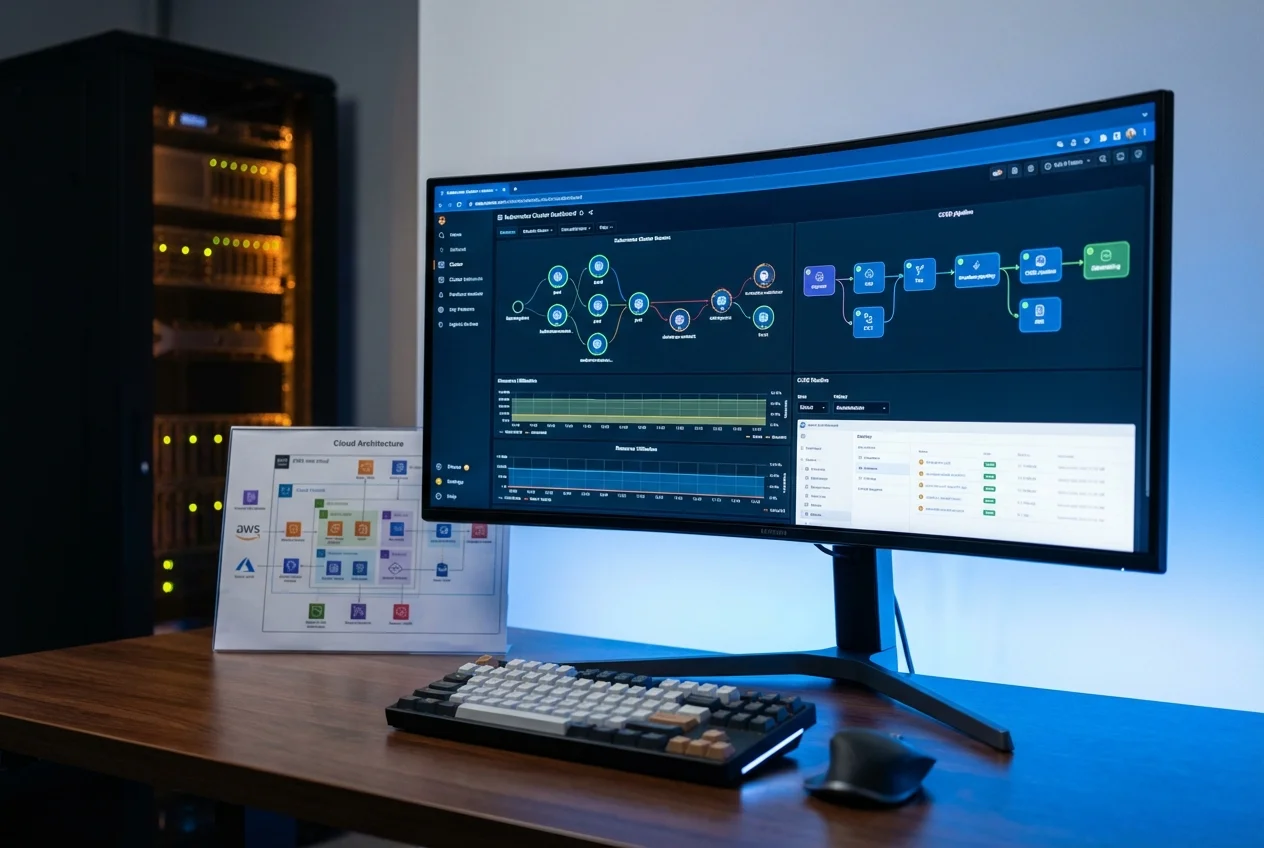
On-premise to cloud migration — whether lift-and-shift or re-architecture. Cost optimisation for existing cloud deployments, monitoring, observability, and the infrastructure automation your operations team needs.

Codebase health assessment, prioritised refactoring roadmaps, and team upskilling recommendations. We help you understand your technical debt and create a realistic plan to pay it down without stopping feature delivery.
How We Work
A systematic approach to building excellence.
We understand your current situation, your growth trajectory, and what the software needs to support. Good scoping for growth businesses includes planning for where you will be in two years, not just where you are now.
We design architecture that handles your current load and your anticipated growth without requiring a rewrite. The design decisions made here have a long half-life.
Two-week sprint cycles with regular demos. You see working software throughout the project and can steer priorities as you learn more.
Functional testing plus load and performance testing for critical paths. We verify the system handles your anticipated load before launch, not after.
Managed production launch with monitoring and a post-launch support period. Many clients continue with us as a development partner — we are set up for long-term engagements, not just project work.
Case Studies
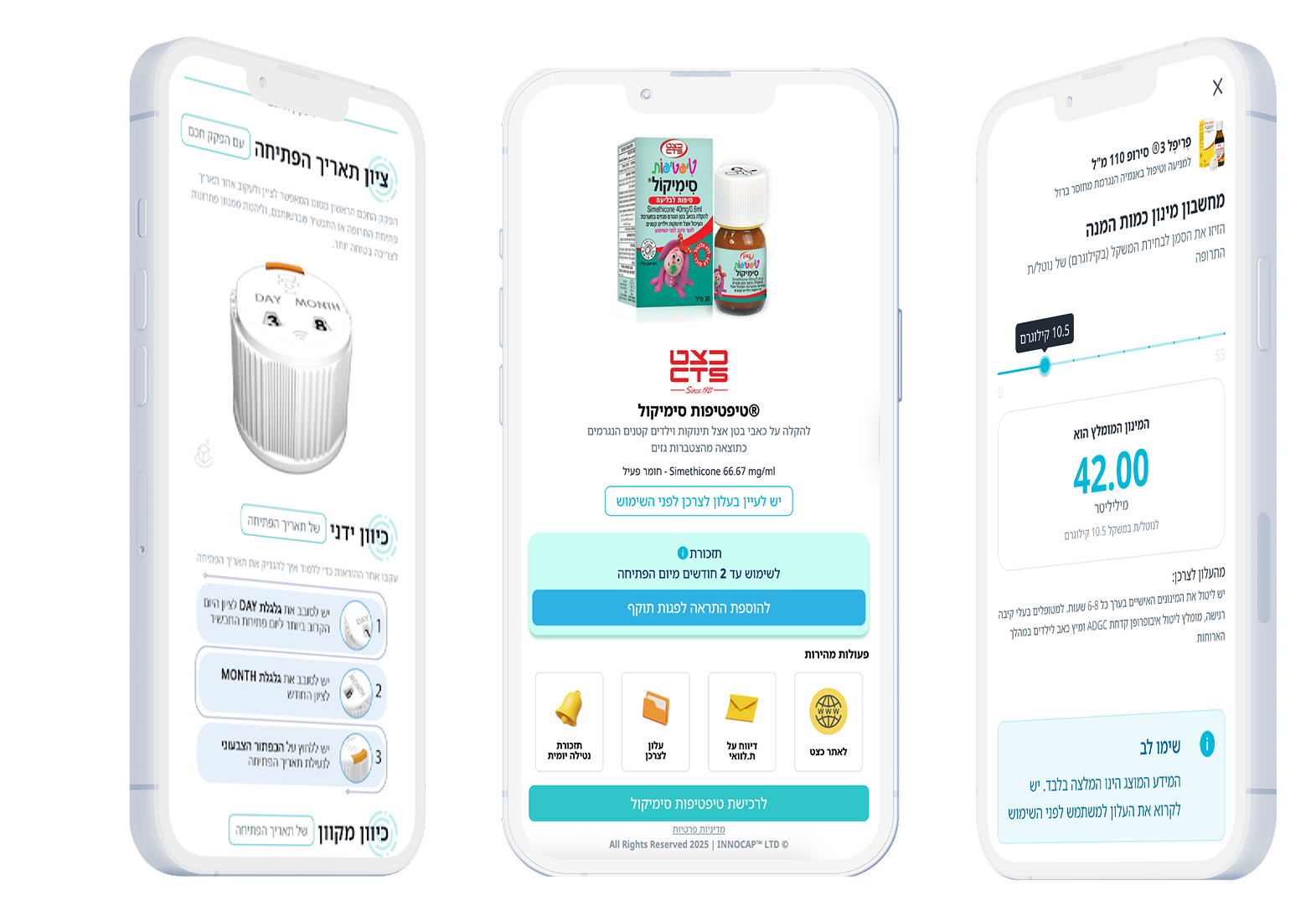
Unifying fragmented fund data across custodians, administrators, and risk systems
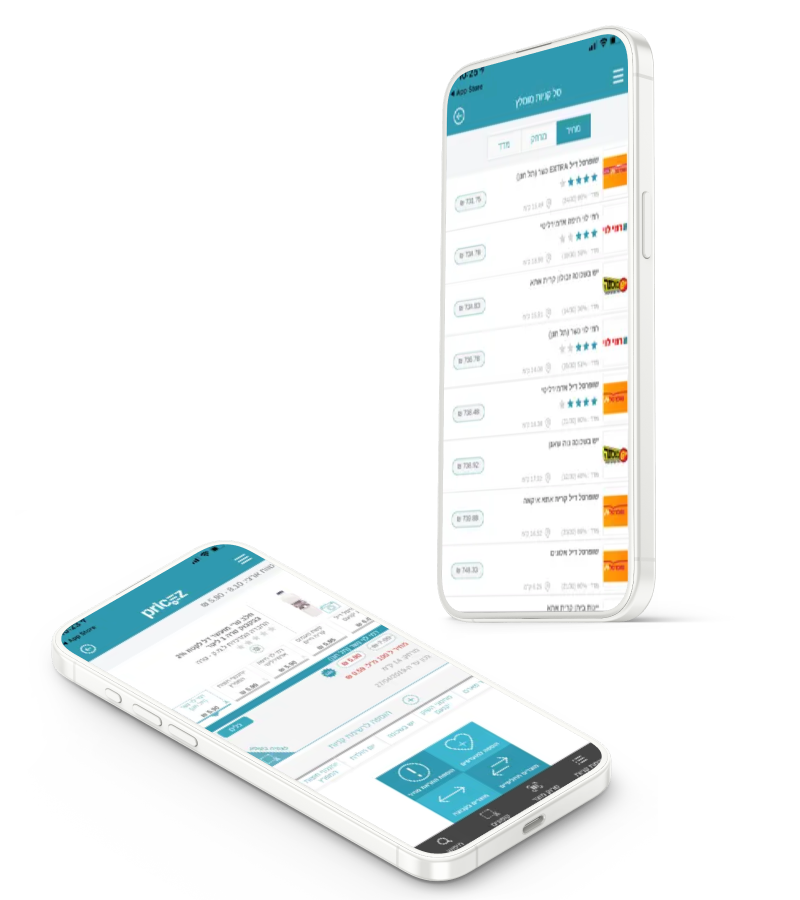
Real-time price data pipeline across 40+ retailer APIs and scrape sources
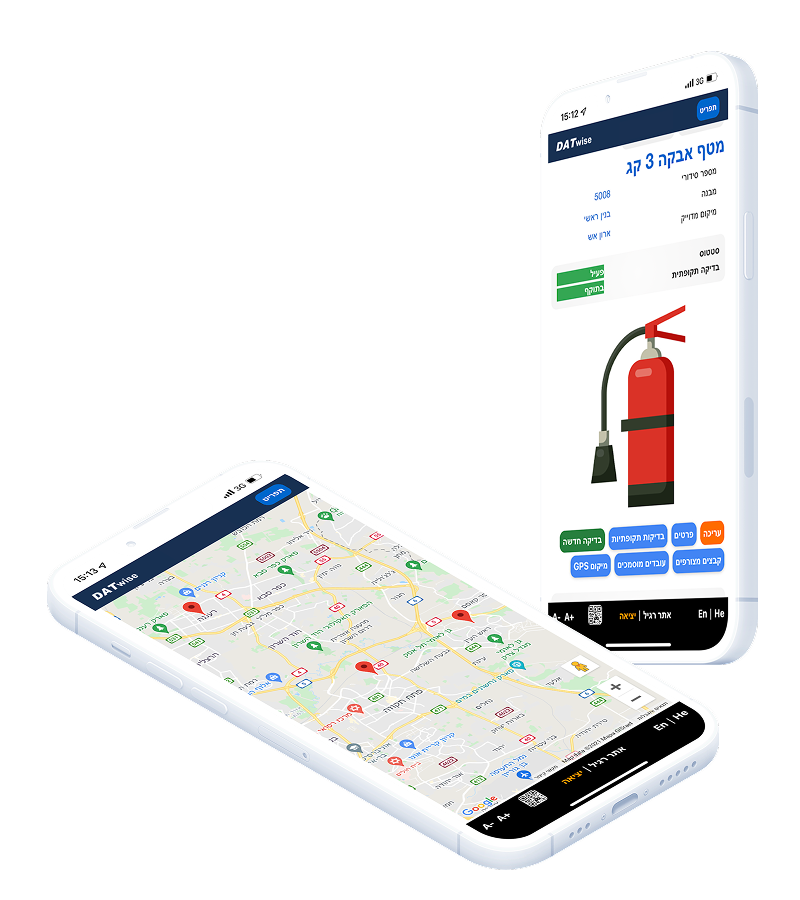
Connecting operational databases to a unified BI layer without disrupting production systems

Integrating an AI assistant across CRM, ticketing, and knowledge base systems
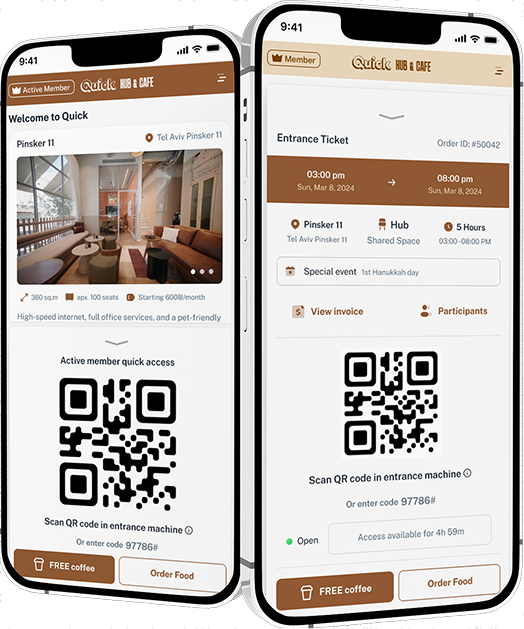
Connecting booking, access control, and billing systems for frictionless office access
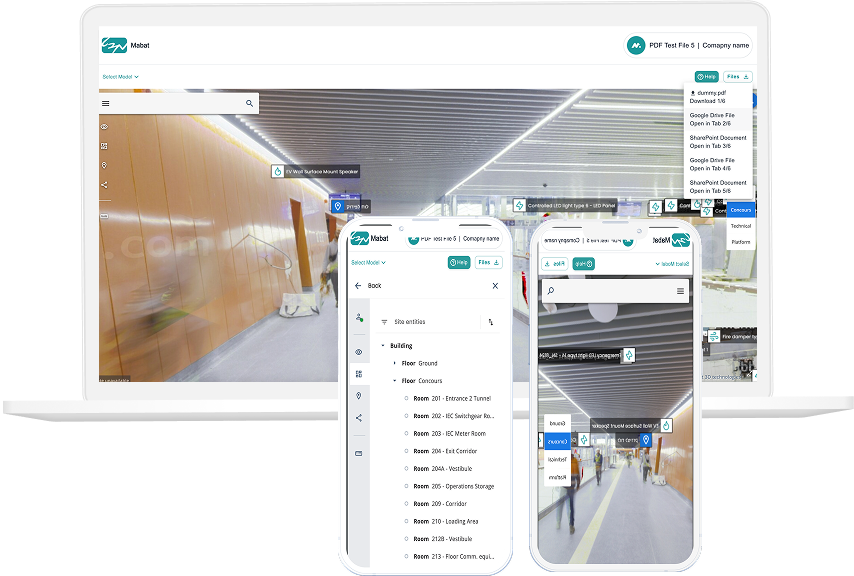
Unifying video feeds from heterogeneous camera systems into a single management layer
“We were running four separate systems that didn't talk to each other — fleet management, warehouse, CRM, and invoicing all in their own silos. They unified everything into a single platform that our entire operations team now lives in. The reduction in manual data entry alone saved us two full-time roles worth of effort. It has genuinely transformed how we operate on a daily basis.”
“Building an EdTech platform requires integrating with dozens of external services — payment gateways, video hosting, LMS standards, authentication providers. Their API integration expertise was outstanding. Every integration was properly documented, error-handled, and monitored. We have had zero integration failures in production, which given the number of moving parts is remarkable.”
“Our business was drowning in manual processes — spreadsheets for everything from tenant management to maintenance scheduling. They built us a complete property management solution that automated 80% of our administrative workload. My team went from fire-fighting daily operational problems to actually focusing on growing the business. The return on investment was evident within the first month.”
From Our Blog

Scalable solutions architecture patterns UK engineering teams trust — data, services, async and caching decisions that avoid costly rewrites. Free architecture review within 24h.

Every business has software that has outlasted its original design. Here is how to know when it is time to modernise, and how to do it without destroying value in the process.

Cloud-native is not just about hosting your application in the cloud. Here is what it actually means, why it matters for growing UK businesses, and when the investment is justified.
We start by understanding your current scale and your realistic growth trajectory over the next two to three years. We then design architecture that handles that anticipated scale — without over-engineering for theoretical scenarios that are unlikely to materialise. The key decisions are around data architecture, caching strategy, and how services are decomposed. We make these decisions explicitly, with the growth context in mind, rather than using patterns that happen to be fashionable.
Yes. We have significant experience with incremental, zero-downtime legacy modernisation. The approach depends on what you have: sometimes a strangler-fig migration is appropriate (replacing the legacy system one component at a time while keeping it live); sometimes a parallel-run migration where both systems operate simultaneously during a transition period; sometimes a phased rollout to specific user groups or regions before full cutover. We will recommend the approach that best fits your specific situation.
We work with AWS, Google Cloud, and Microsoft Azure. We are not dogmatic about which cloud provider to use — we recommend based on your specific requirements, your existing vendor relationships, and the services best suited to your architecture. For most growth-stage UK businesses, AWS is the most common starting point due to breadth of services and regional availability, but GCP and Azure have strong use cases in specific contexts.
For projects where requirements are expected to evolve — which is common for growth businesses entering new market segments or building novel capabilities — we work in short agile cycles that allow priorities to be adjusted between sprints. We scope the first sprint in detail and plan subsequent sprints at a higher level, refining requirements as we go. This reduces the risk of building the wrong thing before you have enough information to know what the right thing is.
Yes. Many of our clients engage us on a monthly retainer basis after an initial project. Retainer arrangements provide dedicated engineering capacity on a predictable cost basis, which suits growth businesses who have a continuous development roadmap rather than discrete project needs. We are genuinely set up for long-term partnerships — not just project work.
Our software development services are built specifically for growth-stage businesses — companies that have outgrown off-the-shelf tools but are not yet enterprise scale. We focus on scalable architecture from day one, meaning the systems we build can grow from 50 to 5,000 users without expensive rewrites. We also offer honest advice: if a SaaS product solves your problem better than custom software, we will tell you.
Our software development services span logistics, professional services, e-commerce, healthcare technology, fintech, and education. The common thread is businesses with complex operational workflows that generic software cannot handle cleanly. We have delivered over 150 builds across these sectors and bring domain-specific insight to each engagement.
Professional software development services in the UK typically range from £1,000 for focused integration projects to £50,000+ for full-scale SaaS platforms. Our pricing starts from £1,000 and scales with scope and complexity. We provide fixed-price quotes after a free discovery call so you have certainty before committing. Read our <a href='/blog/business-case-custom-software-roi-guide'>ROI guide to custom software</a> to understand the full cost picture.
Our software development solutions cover the full lifecycle: custom SaaS platforms, web and mobile applications, API design and integration, DevOps and cloud infrastructure, and technical consulting for teams that need an architecture review before committing to a build. Every solution is scoped around your growth trajectory, not just your current scale, so the system you launch with does not need an expensive rewrite in twelve months. Get a free quote within 24 hours to see which solution fits your stage.
Custom software development means building a software solution designed specifically around your business processes, rather than adapting a generic off-the-shelf product to fit. UK businesses typically need custom software development when their processes are too complex or unique for standard tools, when they need to connect multiple disparate systems, or when they are building a commercial product. Read our <a href='/blog/custom-software-development-uk-bespoke-guide'>complete guide to custom software development in the UK</a> for a detailed decision framework.
Bespoke software development produces a system built to your exact specifications — your data model, your workflows, your user interface. Off-the-shelf software is built for the average user and requires your team to adapt to it. Bespoke development costs more upfront but eliminates ongoing licence fees, workarounds, and the productivity loss that comes from fitting complex operations into generic tools. For growth businesses with differentiated processes, bespoke software development typically delivers better ROI within two to three years.
Yes. Our software development services cover regulated sectors including healthcare technology, fintech, and professional services. We have experience with GDPR-compliant data architectures, FCA-adjacent systems, and NHS-connected tools. Compliance requirements affect technical decisions from the outset — particularly around data storage, audit logging, and access controls — and we build these considerations into our architecture from day one rather than retrofitting them.
When evaluating UK software development services, look for three things: a demonstrable track record with businesses at a similar stage and complexity to yours; transparent, fixed-price quoting rather than time-and-materials billing that inflates unpredictably; and a genuine interest in your problem before they propose a solution. The best software development services start with a discovery phase to surface what you actually need — not what you said you need. Ask to see case studies in your sector, ask how they handle scope changes, and ask what their maintenance model looks like after delivery. Our <a href='/blog/choosing-right-software-development-solution-2026'>guide to choosing the right software development solution</a> covers the full evaluation framework.
UK-based software development services offer timezone alignment, regulatory familiarity, and cultural fit that offshore alternatives often cannot match. When your development team is in the same timezone, you get same-day responses, real-time collaboration during your working hours, and faster iteration cycles. UK developers understand GDPR, FCA requirements, and NHS standards from experience rather than research. For growth businesses where speed and communication quality directly affect outcomes, the premium for UK software development services typically pays for itself in reduced miscommunication, faster delivery, and lower risk.
In 2026, professional software development services in the UK range from £5,000 for focused automation or integration projects to £150,000+ for full-scale SaaS platforms. Mid-market growth businesses typically budget £15,000 to £60,000 for a meaningful custom build. Our software development services start from £1,000 for smaller scoped work and scale with project complexity. We always provide a fixed-price quote after a free discovery call — so you have full cost certainty before committing to any engagement.
Scalable software architecture is the discipline of designing software systems whose performance, reliability, and cost behave predictably as load and data volume grow by 10x, 100x, or more. For UK growth businesses, scalable software architecture matters because re-architecting under pressure is the single most expensive technical event a company can experience — usually costing 5–10x what it would have cost to build correctly from day one. We treat scalability as a sequence of explicit decisions about data modelling, statelessness, asynchronous processing and caching, made before code is written. Read our <a href='/blog/scalable-software-architecture-services-uk'>guide to scalable software architecture services</a> for the full decision framework.
Yes — scalable software solutions are our core deliverable. We have built scalable product architecture for SaaS platforms serving everything from 50 enterprise tenants to 250,000+ end users, across fintech, logistics, healthcare and B2B SaaS. Each scalable software solution is engineered around the specific workload profile of the product: read-heavy SaaS gets different infrastructure than write-heavy transactional systems, and platforms with bursty traffic patterns get different queue and cache strategies than steady-state APIs. See our <a href='/blog/scalable-software-architecture-services-uk'>scalable software engineering guide</a> or <a href='/free-consultation'>book a free scalability review</a>.
For UK businesses in the £5m–£50m revenue band, software architecture scalability typically means three things: (1) a stateless application tier behind a load balancer so capacity is elastic; (2) a primary database with read replicas and connection pooling sized to peak traffic, not average; (3) an asynchronous job runner with retry and dead-letter handling so spikes do not break user-facing flows. Beyond that, scalable software systems require monitoring of the four golden signals (latency, traffic, errors, saturation) and runbooks for the top failure modes. We deliver these as part of every scalable software architecture engagement — and we audit existing systems against this baseline during a <a href='/free-consultation'>free solution architecture review</a>.
The scalable architecture patterns that deliver the most ROI for UK growth businesses are: (1) stateless services behind a load balancer for elastic horizontal scaling; (2) the CQRS pattern to separate read and write workloads when reporting becomes heavy; (3) event-driven messaging via a queue or broker so spikes do not back-pressure user-facing requests; (4) read replicas plus connection pooling on the primary database; (5) cache-aside patterns for hot data with explicit invalidation rules; (6) the strangler-fig pattern for replacing legacy modules without downtime. The right scalable architecture pattern depends on your traffic profile — we map yours during a <a href='/blog/scalable-software-architecture-services-uk'>scalable architecture services review</a>.
Scalable architecture design treats throughput, latency, and cost-per-request as first-class design constraints from day one — alongside the functional requirements. Regular software architecture design often optimises for developer ergonomics first and assumes scale problems can be solved later. In practice, scalable architecture design forces explicit decisions about statelessness, data partitioning, asynchronous boundaries and observability before any code is written. For UK growth businesses planning a 10x scale-up over 24 months, scalable architecture design is the single highest-leverage technical investment available. Read our <a href='/blog/scalable-software-architecture-building-for-growth'>scalable software architecture guide</a> for the full design framework.
Scalable system architecture changes character at each order of magnitude of growth. At 10x growth, scalable system architecture typically means horizontal scaling of stateless application servers, a single primary database with read replicas, and a single Redis cluster for caching and queues. At 100x growth, scalable system architecture requires database sharding or a distributed datastore, multi-region deployments, service decomposition into independently scalable components, and a dedicated platform engineering function to manage it. The trap to avoid is building 100x scalable system architecture for a 10x problem — over-engineering kills more growth-stage products than under-engineering. We size your scalable system architecture to your realistic 24-month trajectory.
Scalable software solutions are systems engineered with three measurable properties: linear cost per additional unit of load, predictable p95 and p99 latency under realistic peak traffic, and a deployment model where adding capacity is a configuration change rather than a code change. Standard custom software often optimises only for the first set of requirements and accumulates scaling debt — N+1 queries, in-memory session state, synchronous third-party calls inside the request path — that surface when growth arrives. For UK growth businesses, the cost of designing for scalable software solutions on day one is typically 10–20% above a non-scalable baseline; the cost of retrofitting scalability after launch is 3–5x that figure. See our <a href='/blog/scalable-software-solutions-engineering-for-growth'>scalable software solutions engineering guide</a> for the full framework.
Scalable software engineering is the discipline that makes scalable architecture survive contact with reality. Five practices separate UK engineering teams that consistently ship scalable software solutions: load is measured against the four golden signals rather than guessed; statelessness is the default at the application tier so horizontal scaling is a configuration change; write paths and read paths are separated through read replicas or CQRS before the database is on fire; async boundaries are explicit with retries, dead-letter handling and observability designed in from day one; and the deployment unit is the smallest thing that scales independently, which is usually a modular monolith with clear internal boundaries rather than a sprawling microservices estate. We embed these practices into every engagement.
Software development solutions are systems built to a business's specific operational requirements — as opposed to off-the-shelf software, which is designed for the common case and forces businesses to adapt their processes to the product's constraints. The decision to invest in custom software development solutions is typically triggered when an off-the-shelf product requires so many workarounds that implementation cost approaches bespoke build cost, when compliance requirements cannot be met by a generic vendor, or when the software itself is a source of competitive advantage. For UK growth businesses, bespoke software development solutions pay back the higher upfront cost within 18–36 months through eliminated subscription fees, removed workflow friction and — where the software is customer-facing — measurably higher retention.
Scalable software development solutions are engineered with growth as a first-class constraint from day one: stateless application tiers that scale horizontally without code changes, database designs that support tenant isolation and read scaling before they become bottlenecks, and asynchronous job runners that absorb traffic spikes without back-pressuring user-facing flows. For UK growth businesses, the practical difference between scalable and non-scalable software solutions shows up at the moment of first viral traction or first enterprise prospect — when a system built for 100 concurrent users meets 1,000. Retrofitting scalability after the fact costs 3–5× the upfront investment. Our <a href="/free-consultation">free solution architecture review</a> assesses your current stack against the 24-month growth trajectory you're planning for.
The most important factors when choosing a UK software development solutions provider are: a demonstrable track record in your sector or technical domain (not generic portfolio claims); named senior engineers responsible for architecture decisions — not a junior-led team with senior faces on the website; fixed-price delivery capability for well-scoped projects, which requires a paid discovery phase before quoting; post-launch support SLA in writing; and references you can speak to directly. Red flags include agencies that quote without a discovery phase, that rotate technical leads mid-project, or that price compliance as an optional add-on rather than a first-class requirement. Our <a href="/free-consultation">free scoping session</a> gives you a written estimate and a named senior lead before you commit.
Scalable software infrastructure is the substrate that scalable software engineering depends on. For UK growth businesses in 2026, the core building blocks are: managed Kubernetes or container orchestration with horizontal pod autoscaling tied to real signals; managed Postgres with read replicas, point-in-time recovery and connection pooling sized for peak; a queue platform such as Amazon SQS, RabbitMQ or Redis Streams for async work; a Redis or Memcached cache tier with explicit invalidation rules; a CDN in front of all static assets and cacheable API responses; and structured logging with distributed tracing across every request path. The mistake we see most often is over-investing in scalable software infrastructure before scalable software engineering practice is in place — a Kubernetes cluster does not scale a system that holds session state in process memory. See our guide on <a href="/blog/scalable-software-architecture-building-for-growth">end-to-end software engineering for scalable web platforms</a> for how the team and process side of this fits together.
Scalability in software architecture is the cumulative effect of four decisions made early and revisited deliberately as the business grows. The four decisions are: a data partitioning strategy that matches access patterns (tenant ID, region or customer ID), chosen before data needs to be migrated; service boundaries placed where rate of change differs between domains, not where rate of change is the same; an explicit consistency model that distinguishes operations requiring strong consistency from those that tolerate eventual consistency; and failure isolation through circuit breakers, bulkheads and explicit timeouts so one slow downstream dependency cannot exhaust thread pools upstream. Software architecture scalability is the discipline of revisiting these four decisions every 12–18 months as load patterns change.
Software development solutions cover everything from process automation and system integrations to full custom SaaS builds and legacy modernisation. Which type you need depends on whether you are replacing manual work, connecting existing systems, or building a new product — see our <a href="/blog/software-development-solutions-uk-guide-2026">software development solutions cost guide</a> for pricing benchmarks by solution type.
UK software development solutions typically range from £6,000 for a scoped integration to £150,000+ for a full custom SaaS platform, with process automation projects usually falling between £8,000 and £30,000. The main cost driver is how well-defined your requirements are before build begins, not the technology stack.
Check four things: whether they can show production systems at your scale, whether pricing is fixed after a discovery phase rather than open-ended, whether the engineers who scope the project are the same ones who build and support it, and what post-launch support actually looks like. Our <a href="/blog/software-development-solutions-uk-guide-2026">guide to evaluating software development solutions</a> covers the full checklist.
Neither option is inherently more scalable — the scalability of software depends on the architecture decisions underneath it, not on whether it is custom or off-the-shelf. Custom software built with a stateless application tier, read/write separation and explicit cache invalidation from day one will out-scale a generic SaaS platform designed for the lowest common denominator of its customer base. Read our <a href='/blog/scalable-software-architecture-building-for-growth'>scalable software architecture guide</a> for the four decisions that determine whether custom software actually scales.
Highly scalable architecture treats horizontal scaling, statelessness and cache invalidation as day-one constraints rather than post-launch fixes. High scalability architecture can absorb a 10x traffic spike by adding compute capacity; ordinary architecture requires an emergency rewrite. We assess architecture scalability against your realistic 24-month growth trajectory during every <a href='/free-consultation'>free solution architecture review</a>.
Scalable database architecture separates read and write paths early — via read replicas, connection pooling and query patterns matched to actual access — rather than scaling a single primary instance until it becomes the bottleneck. A scalable data architecture also treats sharding and denormalisation as deliberate, monitored decisions rather than emergency fixes applied under production load. Our <a href='/blog/scalable-software-architecture-building-for-growth'>scalable software architecture guide</a> covers the specific database patterns UK growth businesses need at each stage.
End-to-end software engineering for scalable web platforms means treating scalability as a delivery discipline, not just an architecture diagram — covering requirements and data-access modelling before code is written, load testing against realistic traffic shapes, staged rollout with feature flags, observability wired in from the first commit, and a clear on-call escalation process. Teams that only get the architecture diagram right tend to pass code review and still fail in production, because the load test that would have caught the real bottleneck was never run. Our <a href='/blog/scalable-software-architecture-building-for-growth'>scalable software architecture guide</a> covers this end-to-end engineering practice in full.
Let's talk about your goals — the first consultation is on us.
Start Your SaaS Journey