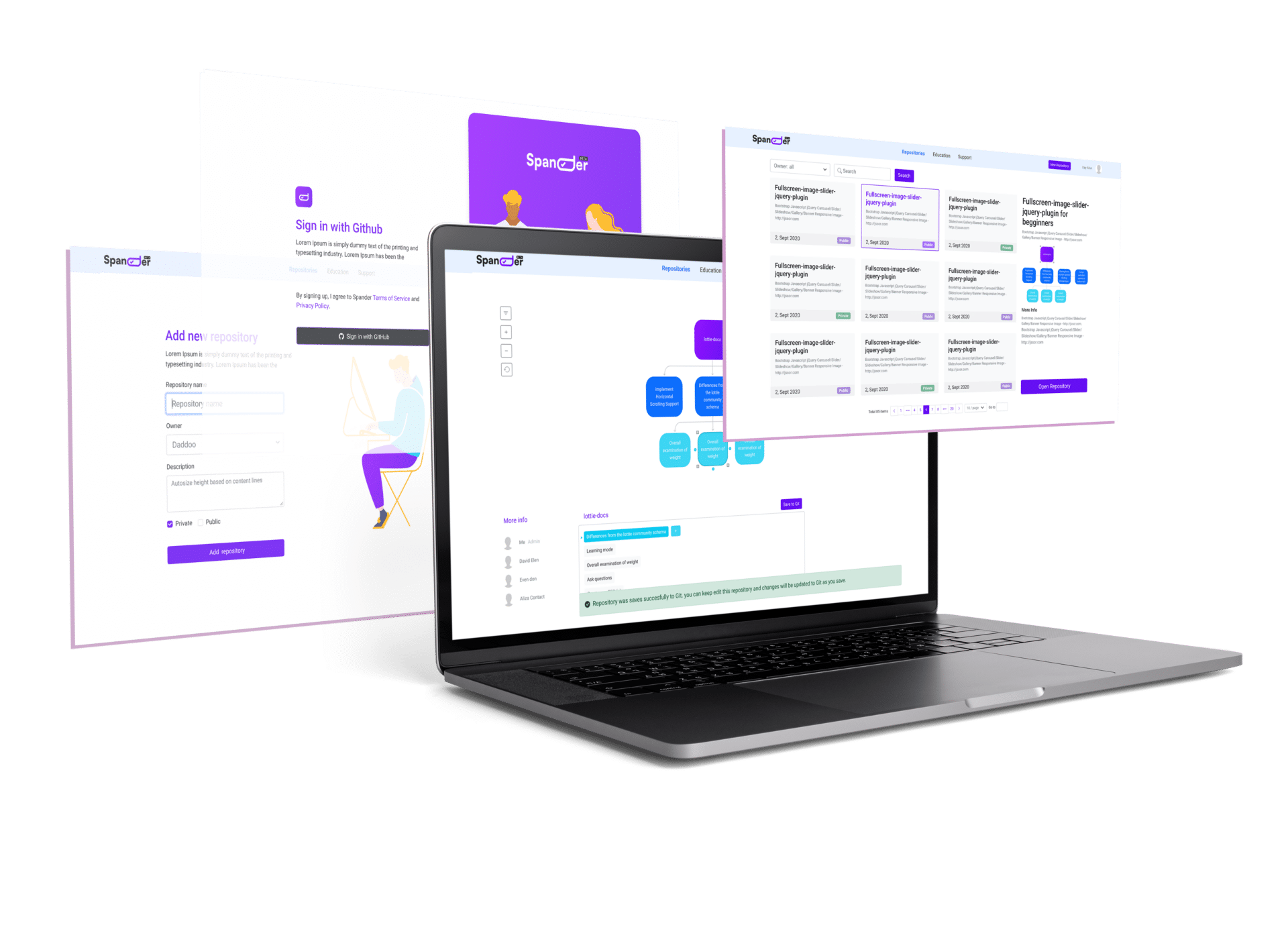
The Challenge
What Spander Was Facing
Spander was building a routing application for logistics operators that needed to combine data from three separate external sources: a mapping API for road network data, a real-time traffic feed, and a proprietary logistics constraints database containing vehicle weight limits, restricted zones, and delivery window rules. Each data source had different update frequencies, different coordinate systems, and different API reliability characteristics. Route calculations that ignored any one source produced results that were operationally unacceptable to logistics operators.
The Solution
What We Built
We designed a data fusion layer that normalised all three data sources into a common geospatial model, handling coordinate system conversion, update frequency alignment, and source fallback logic for when any single API was degraded. A routing engine built on top of this fused layer computed optimised routes incorporating all constraints simultaneously — with explicit handling for conflicts between traffic conditions and logistics restrictions. Caching strategies were tailored per data type: road network data cached aggressively, traffic data with short TTLs, logistics constraints invalidated only on explicit update events.

Results